Storage for Restaurants: A 2026 F&B Checklist
Great food starts long before it reaches the plate. Reliable storage for restaurants protects ingredient quality, controls food cost, and keeps your kitchen compliant with Saudi food-safety rules. In 2026, as delivery volumes and multi-branch operations grow across the Kingdom, restaurant operators can no longer treat storage as an afterthought. A single spoiled delivery can wipe out a day’s profit and damage your reputation overnight.
This checklist walks through everything a food and beverage business needs to store ingredients safely, from temperature zones to inventory rotation. Whether you run a single cafe or a growing chain, these practical steps will help you cut waste and serve consistently fresh food.
Why restaurant storage is different
Restaurants juggle an unusually wide range of ingredients. Fresh produce, frozen proteins, dairy, dry goods, and cleaning chemicals all have different storage needs, and mixing them incorrectly creates safety and quality risks. On top of that, kitchens run on tight space and fast turnover, so storage must be both efficient and disciplined.
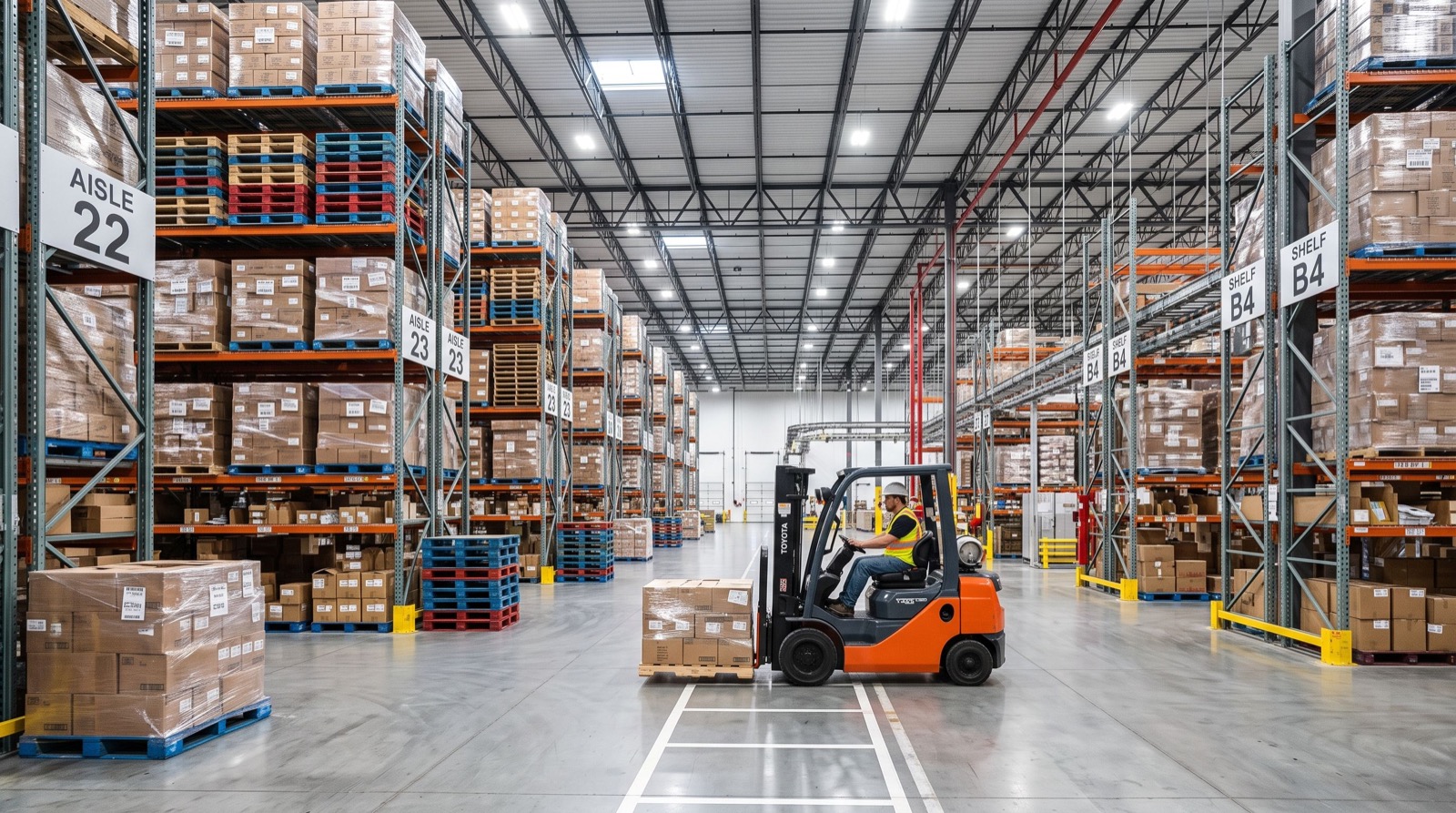
Scaling adds another layer. A growing chain often outgrows on-site kitchen storage and turns to dedicated Storage for Restaurants facilities that hold bulk stock off-site. Central storage lets you buy in volume, reduce per-unit cost, and distribute to branches on a schedule.
The four storage zones every restaurant needs
Effective restaurant storage separates ingredients into distinct zones. Each has its own temperature and handling rules.
| Zone | Temperature | Examples |
|---|---|---|
| Frozen | -18 °C or below | Meat, seafood, fries, ice cream |
| Chilled | 0 to +4 °C | Dairy, fresh produce, prepared items |
| Dry / ambient | +15 to +25 °C | Grains, canned goods, spices, oils |
| Non-food | Room temp, separated | Cleaning chemicals, packaging |
For multi-branch operators, off-site cold capacity is often the missing piece. Reliable Frozen Storage in Dammam gives eastern-region restaurants a central hub for bulk proteins, freeing valuable freezer space inside each kitchen for daily service needs.
How should restaurants organise stock rotation?
Rotation is where most kitchens lose money. The proven method is FIFO, or first-in, first-out: use the oldest stock before the newest. This prevents ingredients from expiring at the back of a shelf. Follow these steps to run FIFO well:
- Label every item with its receiving date and use-by date.
- Store new deliveries behind existing stock.
- Pull from the front during every service.
- Audit shelves weekly and remove anything near expiry.
- Record waste so you can adjust future ordering.
The U.S. Centers for Disease Control’s guidance on food-safety prevention stresses that proper cold holding and rotation are among the most effective ways to prevent foodborne illness. In a restaurant, that discipline also directly protects your bottom line.
Food-safety compliance in Saudi Arabia
Saudi restaurants must meet hygiene and traceability standards enforced by the Saudi Food and Drug Authority. That means documented temperature logs, clean and separated storage areas, and clear labeling. Failing an inspection can mean fines or closure, so build compliance into your daily routine rather than scrambling before an audit.
Daily storage discipline checklist
- Check and record fridge and freezer temperatures twice daily.
- Keep raw and cooked foods physically separated.
- Store chemicals away from all food items.
- Keep shelving off the floor and away from walls for airflow.
- Clean spills immediately to prevent contamination.
When to use off-site storage
On-site space is finite. If your kitchen freezers are always full, if you turn down bulk-buy discounts for lack of room, or if you run several branches, off-site storage makes sense. A central facility lets you consolidate purchasing and distribute on demand.
Choosing the right partner is critical. Look for reputable service experts who offer separate temperature zones, continuous monitoring, and reliable delivery scheduling. In my experience helping kitchens scale, the operators who outsource bulk cold storage early avoid the costly mistake of over-stuffing kitchen freezers, which raises energy bills and shortens equipment life.
Original tip: par-level your cold storage
Set a “par level” for every frozen and chilled item: the minimum quantity that should always be on hand. When stock hits par, you reorder. This simple system prevents both stockouts during a busy weekend and over-ordering that leads to spoilage. Review par levels each season, because demand shifts around Ramadan and holidays.
Scaling storage as your restaurant grows
Storage needs change dramatically as a restaurant expands from one location to several. What works for a single kitchen quickly breaks down when you add branches, central production, and delivery volume. Planning storage for growth early prevents painful bottlenecks later.
A common growth path looks like this. A single restaurant relies entirely on in-kitchen fridges and freezers. As a second and third branch open, the operator introduces a central commissary or off-site cold store to buy in bulk and standardise ingredients. Eventually, scheduled distribution from a central hub keeps every branch stocked without over-ordering.
Signs you have outgrown kitchen-only storage
- Freezers are consistently full during normal service.
- You decline bulk discounts because there is nowhere to put the stock.
- Branches order inconsistently, causing waste at some and shortages at others.
- Staff waste time hunting for ingredients across cramped shelves.
Cost control improves sharply with central storage. Buying proteins and staples in volume lowers per-unit price, and a single well-run cold store is more energy-efficient than several overstuffed kitchen freezers. Those savings compound across every branch and every month.
There is also a resilience benefit. A central cold store acts as a buffer against supply disruptions and price spikes. When a key ingredient jumps in price, an operator with buffer stock can ride out the volatility while competitors scramble. In a fast-moving 2026 market, that stability is a genuine competitive edge for any growing F&B brand.
Frequently Asked Questions
What temperature should restaurant freezers be kept at?
Restaurant freezers should hold at minus 18 degrees Celsius or colder. Chilled storage sits at 0 to 4 degrees. Check and log both twice daily to stay compliant and protect ingredient quality.
Should restaurants use off-site storage?
Off-site storage helps when kitchen space is tight or you run multiple branches. It lets you buy in bulk, reduce per-unit cost, and free up in-kitchen freezers for daily service, with deliveries scheduled as needed.
How do restaurants reduce food waste through storage?
Use FIFO rotation, clear date labeling, weekly shelf audits, and par-level ordering. Together these practices ensure older stock is used first and you never over-order perishable items.
How should raw and cooked foods be stored?
Keep them physically separated, with raw items stored below cooked ones to prevent drips and cross-contamination. Store cleaning chemicals well away from all food.
Conclusion
Smart storage for restaurants is the quiet engine behind consistent quality and healthy margins. Separate your ingredients into proper zones, run disciplined FIFO rotation, log temperatures daily, and lean on off-site cold storage when your kitchen runs out of room. Apply this 2026 checklist across your operation, and you will cut waste, pass inspections with confidence, and keep serving food your customers trust.